

A Very Good Fenris Week

To begin with, there was the second interview with Peter Gilmore, in which he talks about musical memories of Anton LaVey (and more). In the interview, he reflects on his experiences with LaVey, the founder of the Church, particularly focusing on LaVey's musicianship and the role of music in his philosophy. Initially, Gilmore recalls discovering The Satanic Bible and gradually learning about LaVey's extensive background in music, which was not explicitly highlighted in the text. He describes LaVey as a passionate musician, revealing that he had a rich history of performing and a deep understanding of music, particularly classical compositions. Gilmore recounts how LaVey would often invite him and others into his kitchen to play the keyboard, showcasing his ability to interpret various pieces with unique flair.
Then there was the introduction to The Fenris Wolf 9, originally published in 2017. A nice revisiting to that very special issue which summed up talks and papers from the nor legendary Psychoanalysis, Art & the Occult conference in London in 2016:
“The purpose of this conference was to bring together a diverse group of psychoanalysts, occultists and artists to share their views on human subjectivity and culture. Through an investigation of the unique modes and methodologies utilized by each individual practitioner, we believe it’s possible to explore human experience via the convergence of domains that rarely speak to one another yet often work in similar and complementary ways. And that’s more or less exactly what happened during these three highly inspirational days in London.”
Check out this introduction here.
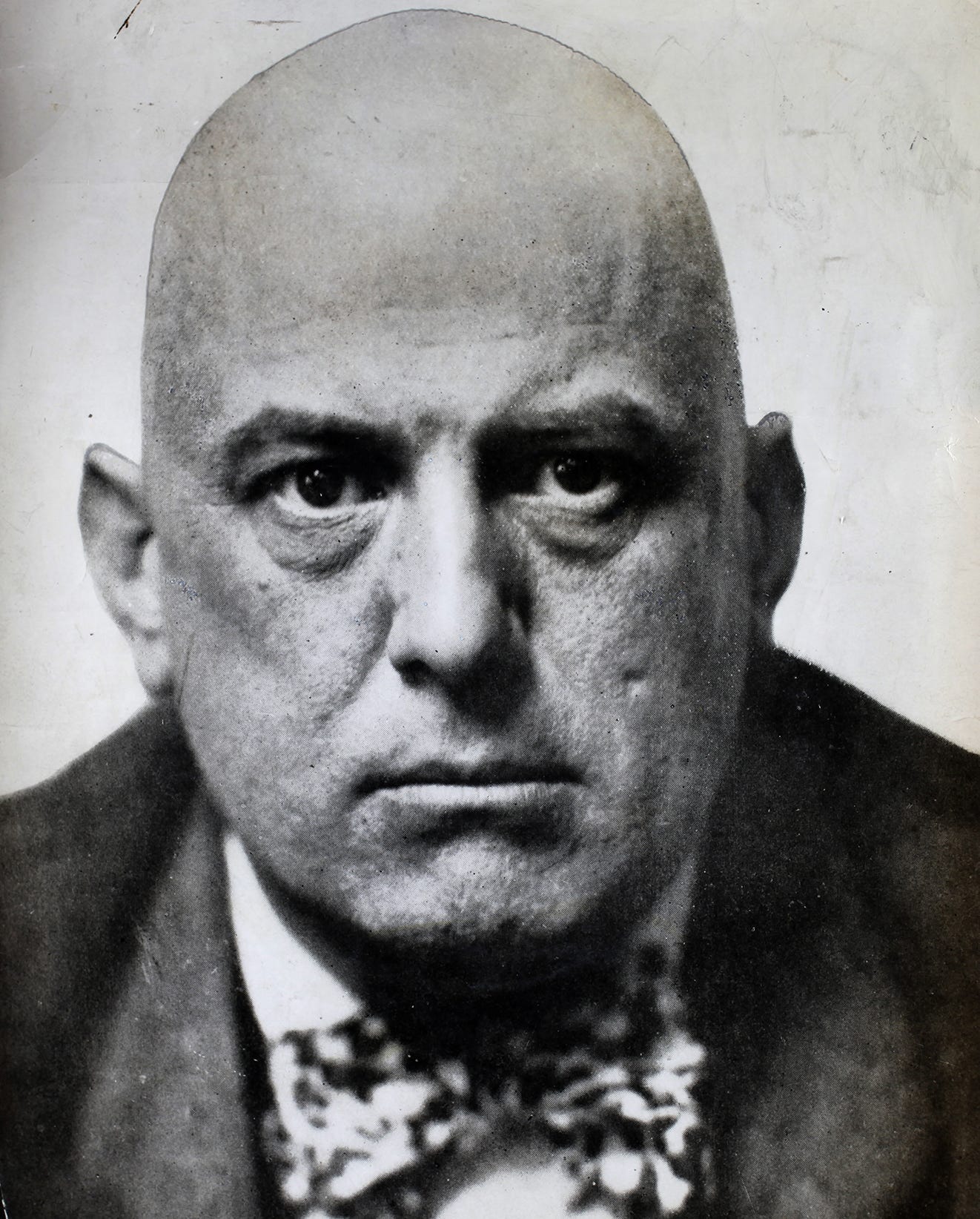
This was followed by an essay about what happens (if anything) when classic occult authors – in this case Aleister Crowley – go into the public domain.
“When a work enters the public domain, however, it becomes free for anyone to use, reproduce, or adapt without the need for permission or payment. For Aleister Crowley’s writings, this transition marks a seismic shift. No longer confined to limited editions or controlled by niche publishers, his works are now available to a much broader audience, at least in the EU (from 2018, with the US following shortly – which is kind of a moot point in this international, digital, and Print on Demand world). This democratization has profound implications for the market, the accessibility of occult knowledge, and the cultural perception of Crowley’s legacy.”
Then there was the fourth episode of The Fenris Wolf Podcast, with a decidedly Daoist-Thelemic bent:
“Abrahamsson argues that while traditions and systems can provide valuable guidance, they should not be mistaken for absolute truths. Instead, individuals should approach them with discernment and respect, understanding that their unique experiences shape their journeys. He highlights the significance of cultivating stillness, observing one's inclinations without judgment, and embracing paradoxes in life.”
Check out this episode here (or wherever you usually listen to podcasts).
That was that and this is it – enjoy this coming week! It will be filled with great new Fenris material.
Vade Ultra!
Very interesting