

REVIEW: Memento Mori

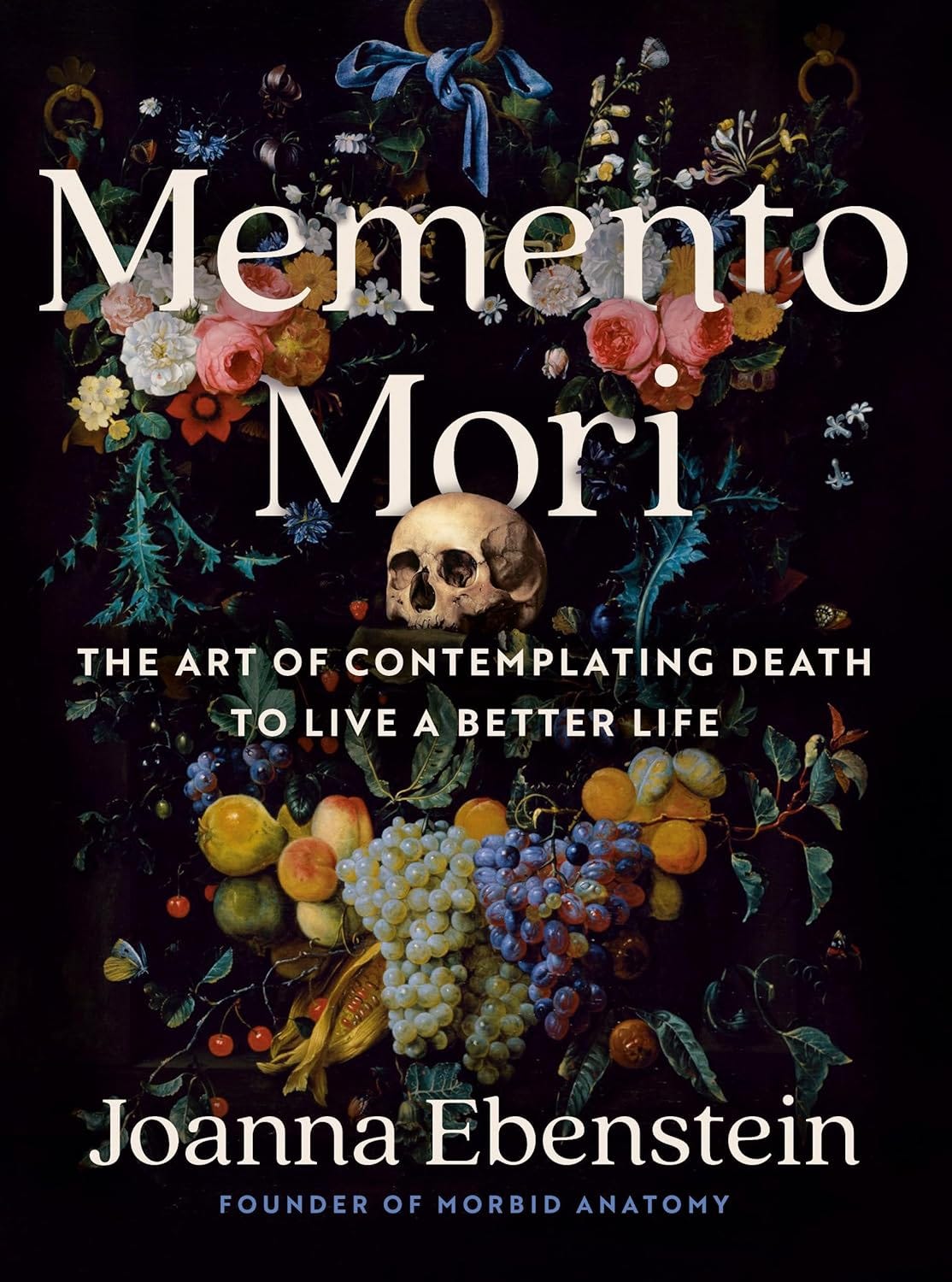
Death is the greatest teacher, and should be the main motivating force to really lead and live a great life in every possible way. This is probably the motto of the very ambitious author and curator Joanna Ebenstein, who must of us know through her wonderful academy and museum ”Morbid Anatomy” (www.morbidanatomy.org). Work with this highly life-affirming institution has also guided Ebenstein’s previous book projects, like The Anatomical Venus and Anatomica – excellent and inspiring books in so many ways.
Her new book, Memento Mori – The Art of Contemplating Death to Live a Better Life (Tarcher Perigee, 2024), explores the profound relationship between death, life, and the concept of ”memento mori,” a Latin phrase meaning "remember you must die." It aims to cultivate a deeper understanding of mortality and its implications for living a fuller, more authentic life. Ebenstein draws on a wide array of historical, cultural, and personal narratives to illustrate how contemplating death can serve as a powerful catalyst for personal growth and self-discovery.
The book is structured into twelve chapters, designed to be completed over twelve weeks. Each chapter includes exercises, journal prompts, and reflections that guide readers in exploring their own beliefs and feelings about death. This immersive approach encourages readers to engage deeply with the material, promoting real and lasting change in their attitudes and behaviors.
Ebenstein emphasizes that throughout history, many cultures have actively engaged with the idea of death, using various practices and rituals to incorporate it into daily life. Among other things, she discusses:
- Memento Mori Traditions: Historically, objects and artworks were created to remind individuals of their mortality, helping them to prioritize their values and live meaningfully.
- Philosophical Perspectives: Philosophers like Socrates and the Stoics believed that contemplating death was essential for living authentically. Socrates famously stated that the practice of philosophy was preparation for dying.
- Religious Practices: Different religious traditions, including Buddhism, Christianity, and Indigenous practices, utilize death contemplation in ways that help individuals embrace mortality as a natural part of life.
Ebenstein also shares personal anecdotes, including her experiences teaching a class titled ”Make Your Own Memento Mori.” This class encouraged students to confront their own mortality and create their own Memento Mori, leading to transformative experiences. Students have engaged in projects that reflect their wishes for their deaths, including designing their final resting spaces or creating legacy projects for loved ones.
Ebenstein includes contemporary examples, such as the ”WeCroak” app, which reminds users to contemplate death several times a day, reinforcing the notion that awareness of mortality can enhance appreciation for life.
The also book delves into themes such as: Acceptance, Regrets, and a necessary Celebration of Life. Ebenstein advocates for reimagining death-related rituals as celebrations of life, drawing on traditions like the Irish wake or New Orleans jazz funerals, which embody joy and remembrance.
It’s not far-fetched to say that the book is heavily influenced by the ideas of Carl Jung, who viewed death as an integral part of the human experience. Jung believed in developing personal myths about death, which serve as frameworks for understanding life and death's relationship.
Ultimately, the book encourages readers to cultivate a more profound appreciation for life by confronting the reality of death. By engaging with the suggested exercises, reflecting on personal values, and developing a unique and personal Memento Mori, individuals can learn to live more authentically and meaningfully, transforming their fear of mortality into a source of empowerment and clarity. Basically, to spice up your life while actively being aware that some day it will be over.
In summary, this book serves as both a guide and a companion for individuals seeking to understand their own relationship with death and to inspire a richer, more engaged life. The author’s goal is to help readers live with fewer regrets and a greater awareness of the preciousness of each moment.
Like Charon paddling the underworld Acheron and Styx waters, Joanna Ebenstein elegantly gets her message across… It’s a wonderful and inspiring read, and will make for a great Christmas gift – possibly even ”to die for.”
Joanna Ebenstein’s books:
Memento Mori
Anatomica
The Anatomical Venus
And many more… Please check out Joanna’s Author Page:
Looks interesting. Didnt know about her work.